
- Understanding the Foundations of Lead Marketing
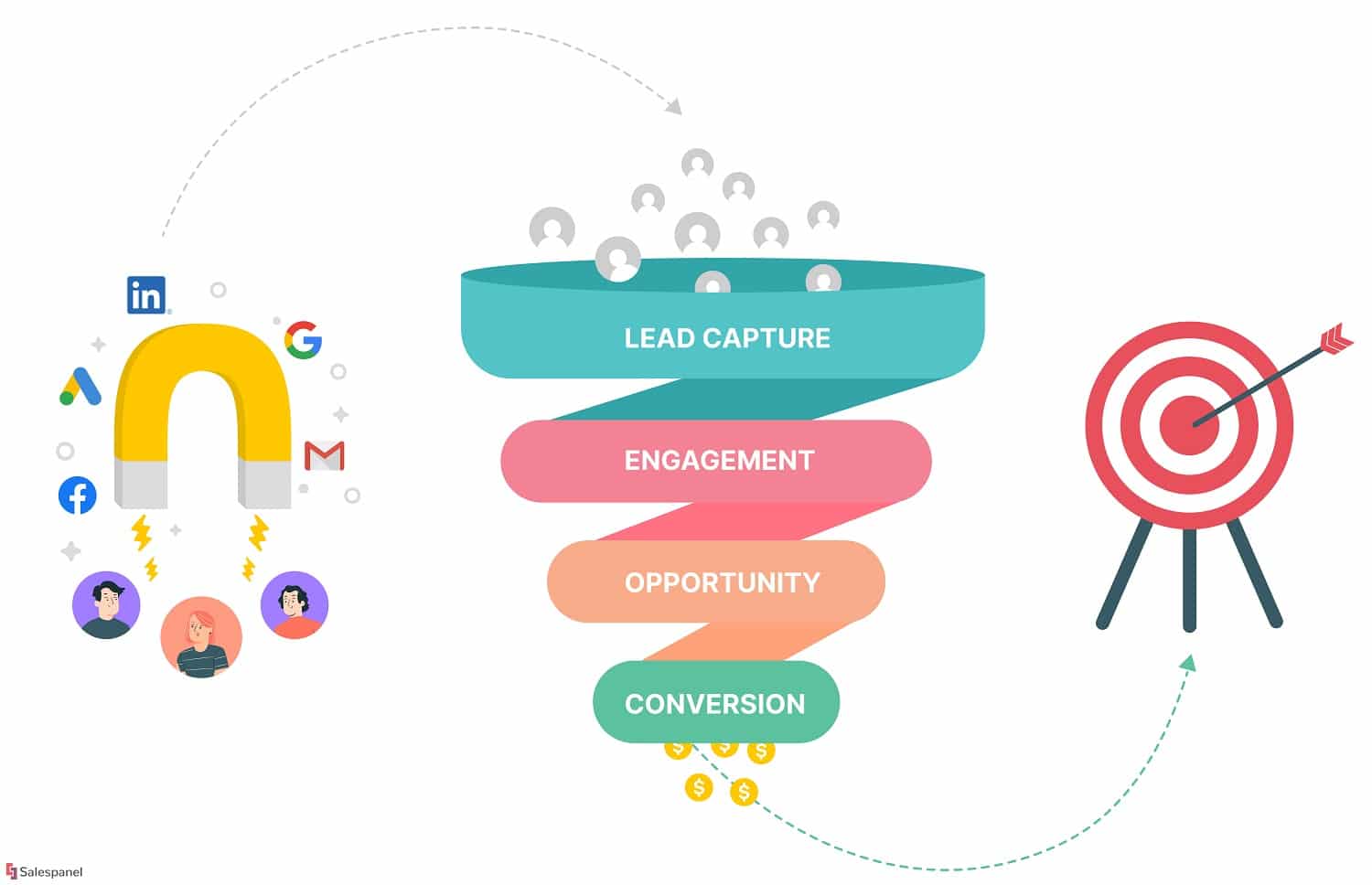
Lead marketing is the strategic process of attracting potential customers, capturing their information, and nurturing them until they are ready to make a purchase. Unlike traditional marketing, which often focuses on broad exposure, lead marketing strategies lead marketing prioritizes quality over quantity. The goal is not just to bring people to your website, but to engage those who are genuinely interested in your product or service. A successful lead marketing strategy starts with understanding your target audience, their pain points, and their decision-making journey. When you align your messaging with customer needs, conversions become far more likely.
- Identifying and Targeting the right Audience
One of the most critical elements of lead marketing is knowing exactly who you are trying to reach. Creating detailed buyer personas helps you tailor your content, offers, and communication channels. These personas should include demographic details, challenges, goals, and online behaviors. When your marketing speaks directly to the right audience, you attract leads that are more qualified and easier to convert. Poor targeting may generate traffic, but it often leads to low engagement and wasted resources.
- Creating High-Converting Lead Magnets
Lead magnets are the backbone of effective lead generation. They provide value in exchange for a prospect’s contact information. High-performing lead magnets solve a specific problem or offer a quick win for the user. Examples include ebooks, free trials, webinars, checklists, and templates. The key is relevance and clarity—your lead magnet should clearly communicate what the user will gain. When prospects see immediate value, they are far more willing to take action and enter your marketing funnel.
- Optimizing Landing Pages and Calls-to-Action
Even the best lead magnet will fail without an optimized landing page. Landing pages should be simple, focused, and designed to convert. A strong headline, persuasive copy, and a clear call-to-action (CTA) are essential. Avoid distractions such as unnecessary links or multiple offers. Trust elements like testimonials, statistics, or guarantees can significantly improve conversion rates. Small improvements in page design and messaging can result in substantial gains in lead acquisition.
- Nurturing Leads Through Content and Email marketing
Not all leads are ready to buy immediately, which makes lead nurturing essential. Content marketing and email campaigns help educate prospects and build trust over time. Sending helpful, relevant information positions your brand as an authority and keeps prospects engaged. Automated email sequences can guide leads through different stages of the funnel, addressing objections and highlighting benefits. Consistent nurturing increases the likelihood that leads will convert when they are ready to make a decision.
- Measuring Performance and Continuously Improving
Lead marketing success depends on ongoing analysis and optimization. Tracking key metrics such as conversion rates, cost per lead, and engagement levels allows you to identify what works and what doesn’t. A/B testing landing pages, CTAs, and email subject lines can uncover valuable insights. Markets change, customer behavior evolves, and strategies must adapt. Continuous improvement ensures your lead marketing efforts remain effective, scalable, and profitable over time.